
Cloud service and
Cloud technology-
Provider
Cloud service and
Cloud technology provider
Suche

Blog.

Filter by
Filter by
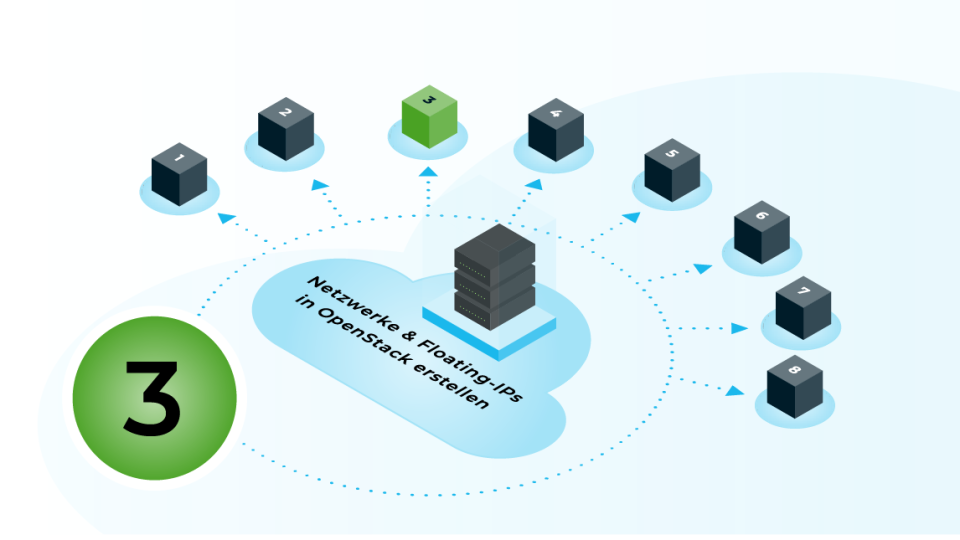
Blog | Getting started in the cloud: Setting up networks and floating IPs in OpenStack

Getting started with the OpenStack cloud: Creating networks and floating IPs in OpenStack

In this blog post, you’ll find out how to create networks and generate a floating IP.
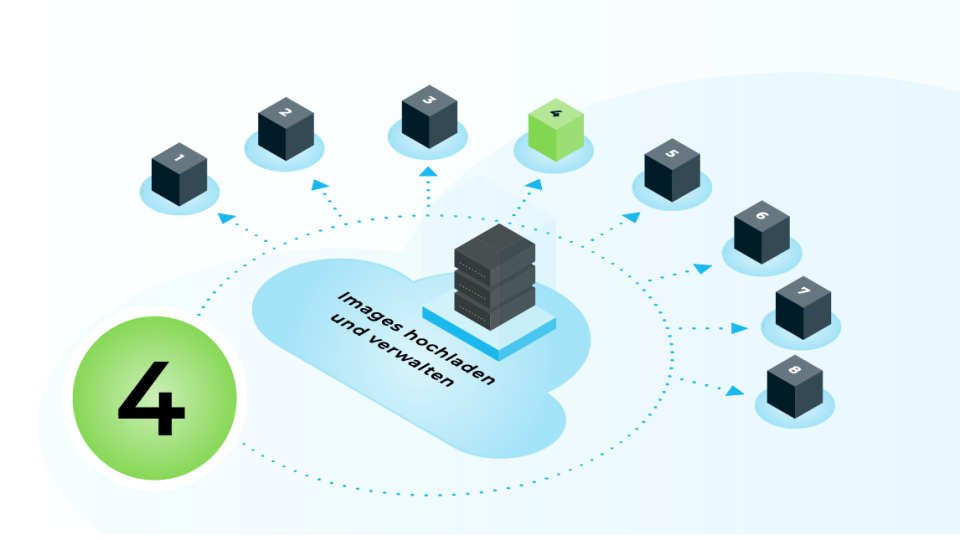
Blog | Getting started in the cloud: Uploading and managing images

Getting started with the OpenStack cloud: uploading and managing images

In this blog post, you’ll learn how to manage and add custom images in the Cloud&Heat Technologies Horizon dashboard.
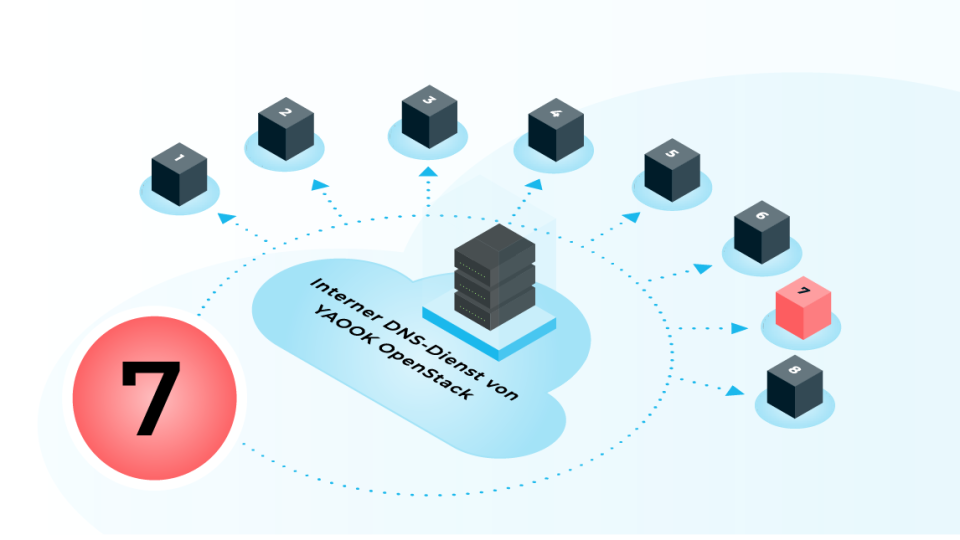
Blog | Header | First steps in the OpenStack cloud: Creating DNS records with OpenStack Designate

Getting started with the OpenStack cloud: Creating DNS records using OpenStack Designate

In this blog post, we’ll show you how to use OpenStack Designate to create and manage DNS zones and DNS records directly within an OpenStack environment. This makes it easier for you to manage DNS configurations for applications and services, and ensures that they can be accessed reliably and user-friendly.
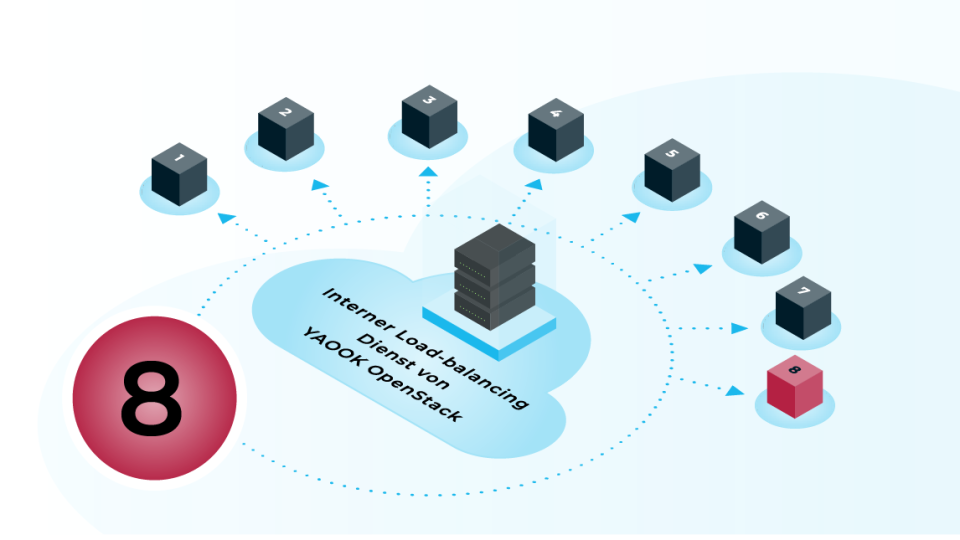
CloudandHeat | Header | Getting started with the OpenStack cloud: Creating load balancers with OpenStack Octavia

Getting started with the OpenStack cloud: Creating load balancers with OpenStack Octavia

In this blog post, we’ll show you, step by step, how to create a load balancer using OpenStack Octavia.
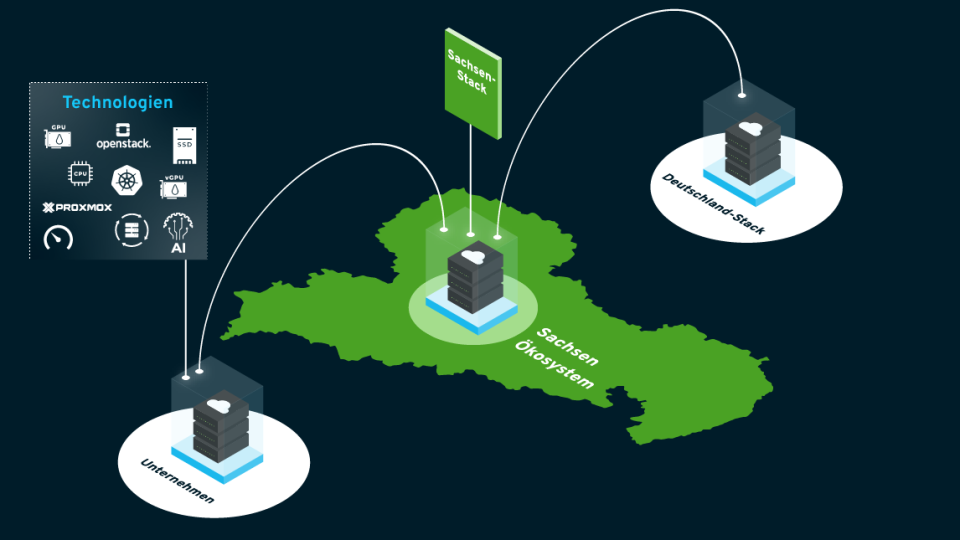
Saxony Stack | Saxony’s ecosystem of IT companies

The Sachsen Stack: the technology stack that was already there

Saxon IT companies have quietly been building the components of a technology stack to build digital infrastructures for years without anyone giving it a name. Now it has one: the Sachsen Stack.
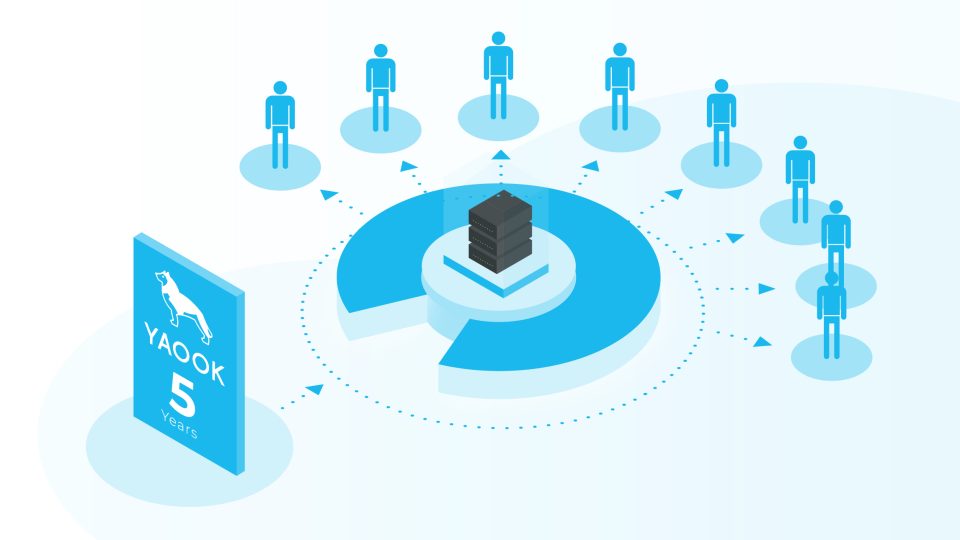
Cloud&Heat | Blog | 5 years Yaook

Five years of Yaook as an open source project: Some reflections on the importance of community-driven software development

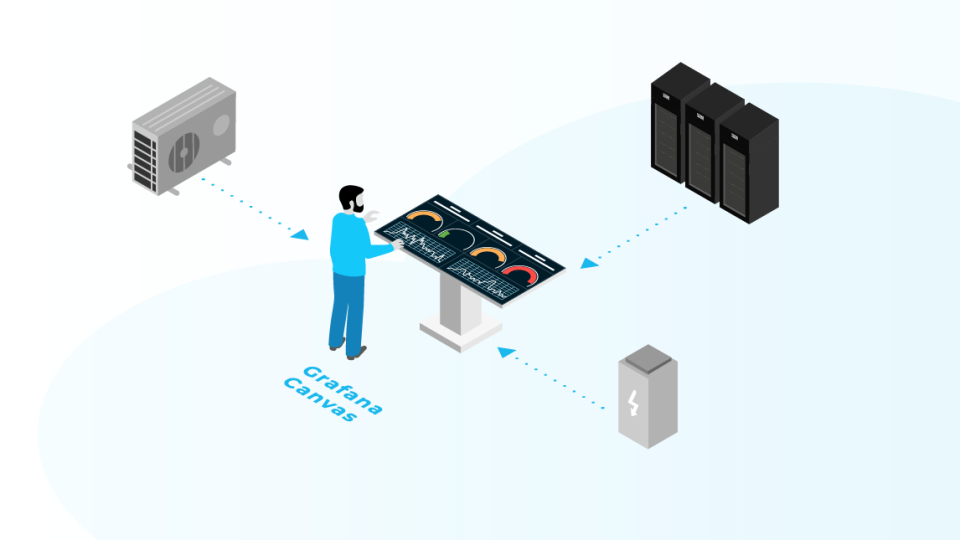
2026-Cloud-and-Heat-Grafana-Canvas-Header2

Visualising measurement data from cloud and data centre infrastructures - recommendations for using Grafana Canvas

In this tutorial, we show how measurement data from cloud and data centre infrastructures can be clearly displayed using Grafana's canvas feature. The creation of these panels poses a number of challenges, which we address specifically here.
Blog | Digital sovereignty under the microscope – What does an analysis of an IT infrastructure look like?

Digital sovereignty under the magnifier – What does the analysis of an IT infrastructure look like?

We conduct the sovereignty check using the fictitious company 42 Rides Ltd. How digitally sovereign is your infrastructure? Conduct the self-check.
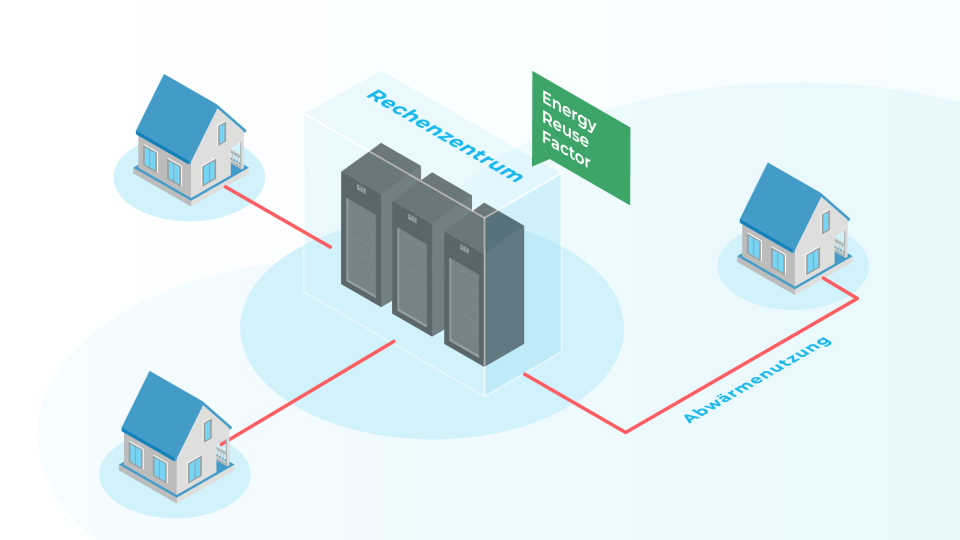
2025-12-Cloud-and-Heat-utilisation-of-heat-in-focus-Header-EN

Focus on waste heat utilisation: What ERF and the German Energy Efficiency Act mean for data centres and cloud infrastructures

We explain the concept of the Energy Reuse Factor and outline the requirements set out in the German Energy Efficiency Act.
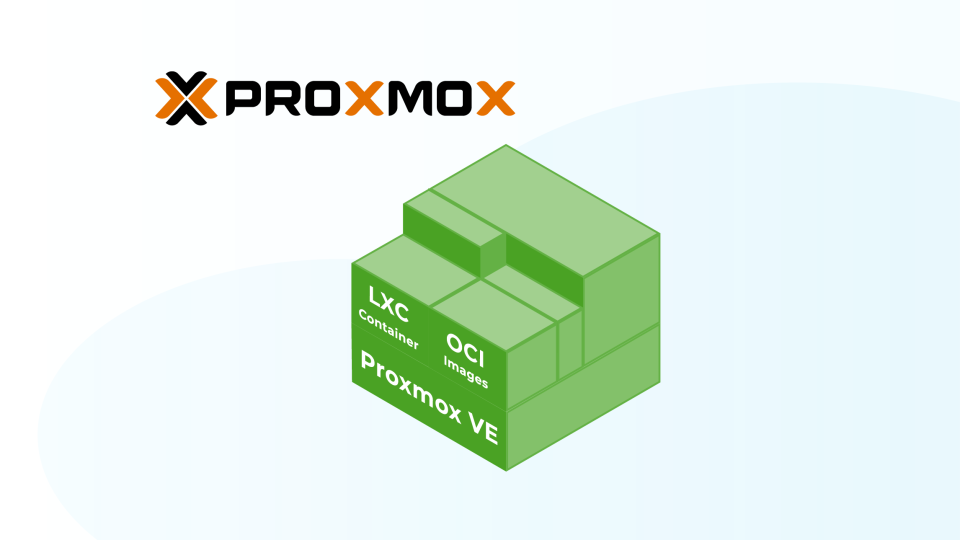
2025-Cloud-and-Heat-Proxmox-OCI-Images-LXC--Header

Use of Open Container Initiative (OCI) container images as Linux Containers (LXC) in Proxmox VE

This blog post shows how OCI-compliant container images can be used directly as LXC containers in Proxmox Virtual Environment. In particular, the porting of the containers and operation via Systemd are discussed.
Step-by-Step Guide to Setting Up a Proxmox Test Cluster with High Availability via the WebGUI

Step-by-Step Guide to Setting Up a Proxmox Test Cluster with High Availability via the WebGUI

Proxmox VE as a lean alternative for small on-premises environments: In our blog, we show you how to set up a mobile test cluster with three nodes - including the first steps towards high availability with Corosync and Ceph.
2025-Cloud-and-Heat-OnPrem-Comeback-Header-ps

The true cost of the cloud: why on-premises is making a strategic comeback

Cloud solutions are not always the favourable choice! Rising costs and the desire for more control are leading companies back to on-premise. Discover why the hybrid approach and open source tools are the future of digital infrastructure.